

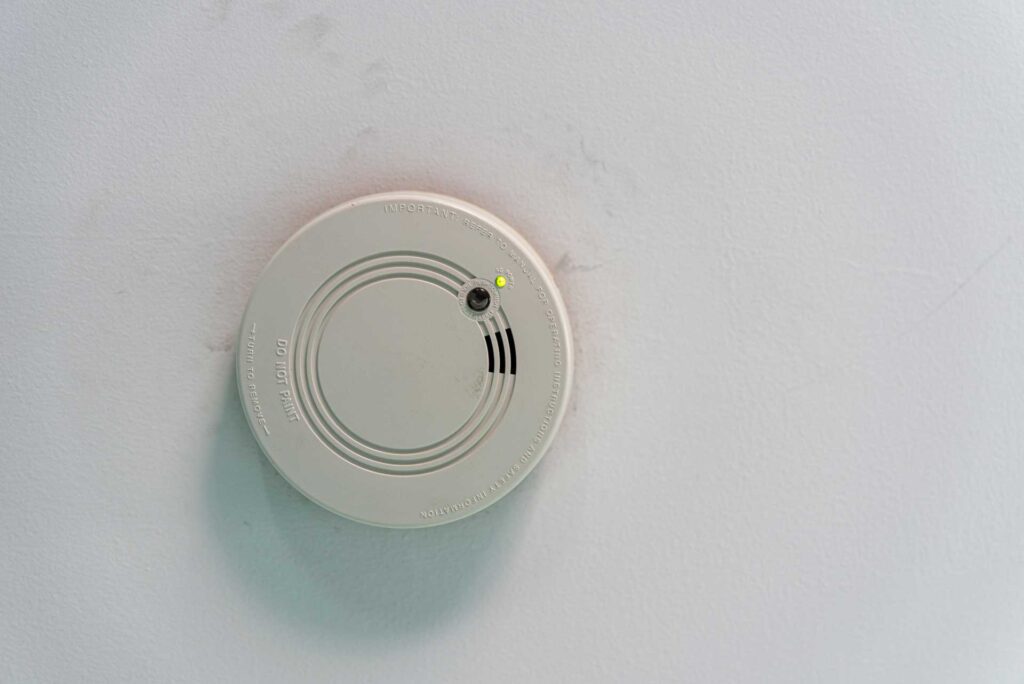
Smoke alarm regulations in New South Wales help protect lives and property by ensuring alarms are correctly installed and maintained. Whether you’re a homeowner, landlord, tenant, or managing a short-term rental, it’s essential to understand your legal responsibilities.
In this article, we’ll break down the key smoke alarm requirements in NSW—who they apply to, what the standards are, and how to stay compliant—so you can protect your property and the people inside it.
What Are the Smoke Alarm Regulations in NSW?
Since 1 May 2006, smoke alarms have been mandatory in all residential buildings across NSW where people sleep. This includes houses, units, moveable dwellings, and holiday accommodation.
The legal requirements are outlined under Clause 146A of the Environmental Planning and Assessment Act 1979 and Division 7A of Part 9 of the Environmental Planning and Assessment Regulation 2000.
All smoke alarms must meet Australian Standard AS3786:2014, and must be installed on every level of a home or building used for sleeping.
Smoke Alarm Requirements for Different Property Types
Homeowners
If you own a home in NSW, you’re legally required to:
- Install at least one working smoke alarm on every level of your home
- Ensure alarms are compliant with AS3786:2014
- Test and maintain alarms regularly
These rules apply whether the property is occupied or vacant.
Tenants
Tenants also have responsibilities when it comes to smoke alarms:
- Notify the landlord or agent if a smoke alarm isn’t working
- Replace removable batteries if you’re able to do so safely
- Allow access for alarm servicing with at least two days’ notice
Tenants should never remove or disable alarms without permission.
Landlords
Landlords have clear legal duties to:
- Install smoke alarms on every level of the property
- Replace batteries annually or as required
- Ensure alarms are functioning at the start of a tenancy
- Include alarm details in the condition report
- Maintain alarms in short-term and holiday rentals
Additional rules apply to boarding houses and backpacker accommodation, which must meet higher safety standards.
Smoke Alarm Rules for Caravans and Motorhomes
Caravans, campervans, and motorhomes used for sleeping must also have compliant smoke alarms installed. The rules include:
- At least one working smoke alarm near the sleeping area
- An alarm in any annex used for sleeping
- Alarms must include a “Hush” button
- Compliance with AS3786:2014
- Battery-powered or mains-connected alarms are acceptable
These regulations apply whether the dwelling is used occasionally or permanently.
Short-Term Rental Accommodation Requirements
If you’re managing or renting out a property on Airbnb, Stayz or similar platforms, the following smoke alarm requirements apply:
- One alarm in every hallway or corridor that connects to a bedroom
- If there’s no hallway, an alarm must be placed between the bedroom and other areas
- Additional alarms on storeys without bedrooms
- Alarms must be:
- Installed on or near the ceiling
- Powered by mains electricity or a non-removable 10-year battery
- Interconnected
- Installed on or near the ceiling
These alarms must also comply with AS3786:2014.
What About Heat Alarms?
In some cases, such as private garages attached to a dwelling, a smoke alarm may not be suitable. Instead, a heat alarm is required.
Heat alarm regulations include:
- Must be installed in garages attached to a home but not internally connected
- Must be mounted on or near the ceiling
- Must be a Type A1 or A2 alarm (AS1603.3)
- Must be interconnected with other alarms in the home
- Must be powered by mains electricity or a 10-year battery
Heat alarms provide early warning of fire risk in areas where smoke is common but not dangerous (like from vehicle exhaust).
Tips for Staying Compliant
To meet your smoke alarm obligations in NSW, follow these best practices:
✅ Check all alarms monthly by pressing the test button
✅ Replace batteries annually or as needed (for removable-battery models)
✅ Upgrade to 10-year, sealed battery alarms where possible
✅ Replace alarms every 10 years, even if they still appear to work
✅ Use licensed electricians or fire safety technicians for installation and maintenance
- Smoke alarms save lives—and in NSW, they’re not optional. It’s the law to have working alarms on every level of a home where people sleep. Learn more about your legal obligations.
Choose Reliable, Compliant Smoke Alarm Products
Not all alarms are created equal. Choosing a high-quality, standards-compliant alarm ensures long-term reliability and safety. Red Smoke Alarms are a trusted option, known for:
- Compliance with AS3786:2014
- 10-year battery life or mains-powered options
- Interconnectivity features
- Built-in “Hush” and test functions
- Long-term performance backed by Australian standards
Protect Your Home and Stay Compliant with Smoke Alarm Laws in NSW
Understanding smoke alarm regulations in NSW is essential for ensuring the safety of your property and the people inside it. Whether you’re a homeowner, landlord, tenant, or managing short-term rentals, knowing your obligations helps prevent fire-related tragedies and avoid legal issues.
Need help choosing the right smoke alarms or checking your compliance? Get in touch with Be-Sure Fire for expert advice and trusted installation services.
Sources: